|
(EN) Youth performance Teenage Riot asked the question whether it’s still possible to revolt, through eight teenagers who shut themselves away from the outside world in a shed on stage, communicating with the audience mainly through a camera.
The performance explored the right to riot without providing solutions or a reasonable cause and reflected the chaos inside a teenager’s mind. It was intended both for adults who forgot what it means to rebel and those who still feel the teenager inside them.
|
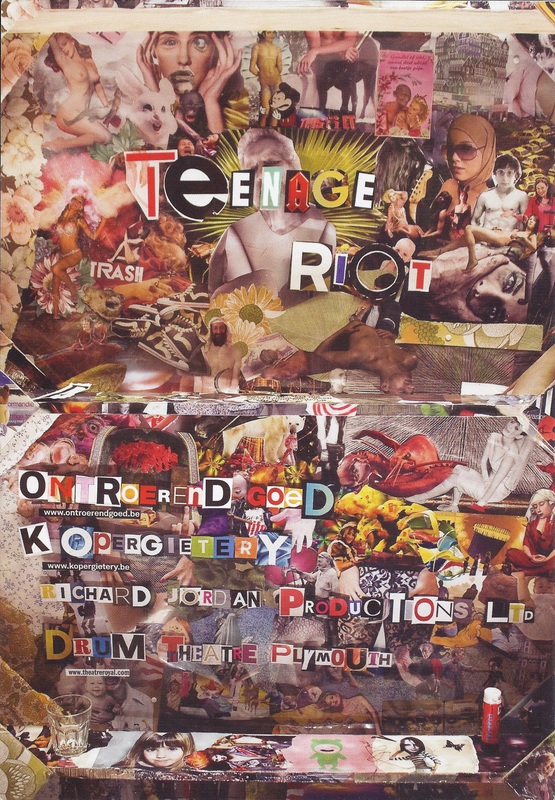
© Elies Vanrentergem - Teenage Riot
(NL) Jongerenvoorstelling Teenage Riot riep de vraag op of het nog mogelijk is om te rebelleren. Acht jongeren sloten zich af van de buitenwereld in een 'kot' op scène. Ze communiceerden met het publiek via een camera en projecties op het kot.
De voorstelling onderzocht het recht om zich te verzetten zonder oplossingen aan te reiken of zelfs zonder aanvaardbare reden. Ze weerspiegelt de chaos in een tienergeest. Ze richtte zich tot volwassenen die vergeten zijn wat rebelleren betekent en zij die nog steeds de tiener in zich voelen schoppen. A liberal mockery of the woefully screwed-up world that they will soon inherit from us anxious adults. * * * * - The Times (UK) - Donald Hutera
|
TRAILER
TOUR LIST / SPEELLIJST
30.12.2013 om 20:00 in Kopergietery / Gent
29.12.2013 om 20:00 in Kopergietery / Gent
18.10.2013 om 22:00 in Arts Centre Melbourne Fairfax Studio / Melbourne
18.10.2013 om 18:00 in Arts Centre Melbourne Fairfax Studio / Melbourne
17.10.2013 om 19:30 in Arts Centre Melbourne Fairfax Studio / Melbourne
16.10.2013 om 18:00 in Arts Centre Melbourne Fairfax Studio / Melbourne
15.10.2013 om 19:30 in Arts Centre Melbourne Fairfax Studio / Melbourne
11.05.2013 om 14:30 in Unicorn Theatre / Londen
11.05.2013 om 19:15 in Unicorn Theatre / Londen
10.05.2013 om 19:15 in Unicorn Theatre / Londen
26.04.2013 om 13:30 in De Grote Post / Oostende
26.04.2013 om 20:30 in De Grote Post / Oostende
26.04.2013 om 20:30 in De Grote Post / Oostende
22.09.2012 om 20:00 in Mousonturm / Frankfurt
21.09.2012 om 20:00 in Mousonturm / Frankfurt
20.09.2012 om 20:00 in Mousonturm / Frankfurt
26.04.2012 om 14:00 in Teatercentrum festival 2012 / Ringsted
25.04.2012 om 17:00 in Teatercentrum festival 2012 / Ringsted
21.04.2012 om 20:00 in CC 't Schaliken / Herentals
05.04.2012 om 19:30 in De Krakeling / Amsterdam
01.02.2012 om 20:30 in Plaza Futura / Eindhoven
14.01.2012 om 20:15 in Theater de Flint / Amersfoort
13.11.2011 om 19:30 in CC De Herbakker / Eeklo
29.10.2011 om 20:00 in B-There festival / 's Hertogenbosch
26.10.2011 om 20:00 in CC De Werf / Aalst
09.10.2011 om 15:00 in Vooruit - 10 jaar Ontroerend Goed / Gent
08.10.2011 om 20:00 in Vooruit - 10 jaar Ontroerend Goed / Gent
30.09.2011 om 20:15 in Theater de Veste / Delft
16.09.2011 om 20:00 in Børneteaterfestival / Horsens
10.09.2011 om 20:00 in Eldorado Rüsselsheim / Russelheim
22.07.2011 om 22:00 in Centrale Fies / Dro
16.04.2011 om 19:45 in Drum Theatre / Plymouth
15.04.2011 om 19:45 in Drum Theatre / Plymouth
14.04.2011 om 19:45 in Drum Theatre / Plymouth
13.04.2011 om 19:45 in Drum Theatre / Plymouth
12.04.2011 om 19:45 in Drum Theatre / Plymouth
26.03.2011 om 20:30 in Malpertuis / Tielt
20.03.2011 om 17:00 in Tweetakt festival / Utrecht
19.02.2011 om 20:15 in OC De Stekke / Moorsele
02.02.2011 om 20:15 in De Warande / Turnhout
16.01.2011 om 15:00 in Het Paleis / Antwerpen
27.11.2010 om 20:00 in Jonge Harten Festival / Groningen
20.11.2010 om 20:30 in Rotterdamse Schouwburg / Rotterdam
12.11.2010 om 20:30 in Bronks Festival / Brussel
04.11.2010 om 19:00 in Inkonst / Malmö
03.11.2010 om 19:00 in Inkonst / Malmö
01.11.2010 om 19:00 in Pustervik / Gothenborg
31.10.2010 om 18:00 in Pustervik / Gothenborg
16.10.2010 om 20:00 in Villanella / Antwerpen
13.10.2010 om 19:30 in Chassé Theater / Breda
09.10.2010 om 20:00 in JOC Ieper / Ieper
07.10.2010 om 20:00 in CC De Spil / Roeselare
03.10.2010 om 20:00 in Kopergietery / Gent
02.10.2010 om 20:00 in Kopergietery / Gent
01.10.2010 om 13:30 in Kopergietery / Gent
01.10.2010 om 20:00 in Kopergietery / Gent
30.09.2010 om 10:00 in Kopergietery / Gent
30.09.2010 om 14:00 in Kopergietery / Gent
24.09.2010 om 19:30 in Szene Bunte Wähne Festival / Horn
28.08.2010 om 18:30 in Traverse 1 - Edinburgh festival / Edinburgh
27.08.2010 om 15:30 in Traverse 1 - Edinburgh festival / Edinburgh
26.08.2010 om 12:45 in Traverse 1 - Edinburgh festival / Edinburgh
25.08.2010 om 21:30 in Traverse 1 - Edinburgh festival / Edinburgh
24.08.2010 om 18:30 in Traverse 1 - Edinburgh festival / Edinburgh
22.08.2010 om 15:45 in Traverse 1 - Edinburgh festival / Edinburgh
21.08.2010 om 12:45 in Traverse 1 - Edinburgh festival / Edinburgh
20.08.2010 om 21:45 in Traverse 1 - Edinburgh festival / Edinburgh
19.08.2010 om 18:30 in Traverse 1 - Edinburgh festival / Edinburgh
18.08.2010 om 15:45 in Traverse 1 - Edinburgh festival / Edinburgh
17.08.2010 om 12:45 in Traverse 1 - Edinburgh festival / Edinburgh
13.08.2010 om 19:45 in Drum Theatre / Plymouth
12.08.2010 om 19:45 in Drum Theatre / Plymouth
11.08.2010 om 19:45 in Drum Theatre / Plymouth
21.05.2010 om 13:30 in Kopergietery / Gent
21.05.2010 om 20:00 in Kopergietery / Gent
20.05.2010 om 20:00 in Kopergietery / Gent
19.05.2010 om 20:00 in Kopergietery / Gent
15.05.2010 om 20:15 in Koninklijke Schouwburg / Den Haag
10.05.2010 om 14:00 in Kopergietery / Gent
09.05.2010 om 20:00 in Kopergietery / Gent
08.05.2010 om 20:00 in Kopergietery / Gent
07.05.2010 om 20:00 in Kopergietery / Gent
29.12.2013 om 20:00 in Kopergietery / Gent
18.10.2013 om 22:00 in Arts Centre Melbourne Fairfax Studio / Melbourne
18.10.2013 om 18:00 in Arts Centre Melbourne Fairfax Studio / Melbourne
17.10.2013 om 19:30 in Arts Centre Melbourne Fairfax Studio / Melbourne
16.10.2013 om 18:00 in Arts Centre Melbourne Fairfax Studio / Melbourne
15.10.2013 om 19:30 in Arts Centre Melbourne Fairfax Studio / Melbourne
11.05.2013 om 14:30 in Unicorn Theatre / Londen
11.05.2013 om 19:15 in Unicorn Theatre / Londen
10.05.2013 om 19:15 in Unicorn Theatre / Londen
26.04.2013 om 13:30 in De Grote Post / Oostende
26.04.2013 om 20:30 in De Grote Post / Oostende
26.04.2013 om 20:30 in De Grote Post / Oostende
22.09.2012 om 20:00 in Mousonturm / Frankfurt
21.09.2012 om 20:00 in Mousonturm / Frankfurt
20.09.2012 om 20:00 in Mousonturm / Frankfurt
26.04.2012 om 14:00 in Teatercentrum festival 2012 / Ringsted
25.04.2012 om 17:00 in Teatercentrum festival 2012 / Ringsted
21.04.2012 om 20:00 in CC 't Schaliken / Herentals
05.04.2012 om 19:30 in De Krakeling / Amsterdam
01.02.2012 om 20:30 in Plaza Futura / Eindhoven
14.01.2012 om 20:15 in Theater de Flint / Amersfoort
13.11.2011 om 19:30 in CC De Herbakker / Eeklo
29.10.2011 om 20:00 in B-There festival / 's Hertogenbosch
26.10.2011 om 20:00 in CC De Werf / Aalst
09.10.2011 om 15:00 in Vooruit - 10 jaar Ontroerend Goed / Gent
08.10.2011 om 20:00 in Vooruit - 10 jaar Ontroerend Goed / Gent
30.09.2011 om 20:15 in Theater de Veste / Delft
16.09.2011 om 20:00 in Børneteaterfestival / Horsens
10.09.2011 om 20:00 in Eldorado Rüsselsheim / Russelheim
22.07.2011 om 22:00 in Centrale Fies / Dro
16.04.2011 om 19:45 in Drum Theatre / Plymouth
15.04.2011 om 19:45 in Drum Theatre / Plymouth
14.04.2011 om 19:45 in Drum Theatre / Plymouth
13.04.2011 om 19:45 in Drum Theatre / Plymouth
12.04.2011 om 19:45 in Drum Theatre / Plymouth
26.03.2011 om 20:30 in Malpertuis / Tielt
20.03.2011 om 17:00 in Tweetakt festival / Utrecht
19.02.2011 om 20:15 in OC De Stekke / Moorsele
02.02.2011 om 20:15 in De Warande / Turnhout
16.01.2011 om 15:00 in Het Paleis / Antwerpen
27.11.2010 om 20:00 in Jonge Harten Festival / Groningen
20.11.2010 om 20:30 in Rotterdamse Schouwburg / Rotterdam
12.11.2010 om 20:30 in Bronks Festival / Brussel
04.11.2010 om 19:00 in Inkonst / Malmö
03.11.2010 om 19:00 in Inkonst / Malmö
01.11.2010 om 19:00 in Pustervik / Gothenborg
31.10.2010 om 18:00 in Pustervik / Gothenborg
16.10.2010 om 20:00 in Villanella / Antwerpen
13.10.2010 om 19:30 in Chassé Theater / Breda
09.10.2010 om 20:00 in JOC Ieper / Ieper
07.10.2010 om 20:00 in CC De Spil / Roeselare
03.10.2010 om 20:00 in Kopergietery / Gent
02.10.2010 om 20:00 in Kopergietery / Gent
01.10.2010 om 13:30 in Kopergietery / Gent
01.10.2010 om 20:00 in Kopergietery / Gent
30.09.2010 om 10:00 in Kopergietery / Gent
30.09.2010 om 14:00 in Kopergietery / Gent
24.09.2010 om 19:30 in Szene Bunte Wähne Festival / Horn
28.08.2010 om 18:30 in Traverse 1 - Edinburgh festival / Edinburgh
27.08.2010 om 15:30 in Traverse 1 - Edinburgh festival / Edinburgh
26.08.2010 om 12:45 in Traverse 1 - Edinburgh festival / Edinburgh
25.08.2010 om 21:30 in Traverse 1 - Edinburgh festival / Edinburgh
24.08.2010 om 18:30 in Traverse 1 - Edinburgh festival / Edinburgh
22.08.2010 om 15:45 in Traverse 1 - Edinburgh festival / Edinburgh
21.08.2010 om 12:45 in Traverse 1 - Edinburgh festival / Edinburgh
20.08.2010 om 21:45 in Traverse 1 - Edinburgh festival / Edinburgh
19.08.2010 om 18:30 in Traverse 1 - Edinburgh festival / Edinburgh
18.08.2010 om 15:45 in Traverse 1 - Edinburgh festival / Edinburgh
17.08.2010 om 12:45 in Traverse 1 - Edinburgh festival / Edinburgh
13.08.2010 om 19:45 in Drum Theatre / Plymouth
12.08.2010 om 19:45 in Drum Theatre / Plymouth
11.08.2010 om 19:45 in Drum Theatre / Plymouth
21.05.2010 om 13:30 in Kopergietery / Gent
21.05.2010 om 20:00 in Kopergietery / Gent
20.05.2010 om 20:00 in Kopergietery / Gent
19.05.2010 om 20:00 in Kopergietery / Gent
15.05.2010 om 20:15 in Koninklijke Schouwburg / Den Haag
10.05.2010 om 14:00 in Kopergietery / Gent
09.05.2010 om 20:00 in Kopergietery / Gent
08.05.2010 om 20:00 in Kopergietery / Gent
07.05.2010 om 20:00 in Kopergietery / Gent
Teenage Riot on BBC
Reviews
A liberal mockery of the woefully screwed-up world that they will soon inherit from us anxious adults.
* * * * - The Times (UK) - Donald Hutera
It is mocking us.
* - Financial Times – Ian Shuttleworth
‘Teenage Riot’ is two shows in one. What you see depends entirely on your angle of approach. It’s no surprise, then, that it has split opinion and been both vigorously championed and violently condemned. Look at it one way and you have a crass, confused, aggressive and illogical piece of fierce teenage rhetoric and anti-adult agitprop. Look at it another and you have a poignant expression of the failure and impossibility entailed by the teenage existence and experience. The first sees a tantrum thrown; the second sees a tantrum shown.
Culture Wars – Matt Trueman
A much grimmer, even more mature portrait than its predecessor ‘Once And For All’, that by now has scored till Australia. Ontroerend Goed, however, delivers a clever performance (…) It raises the only genuinely dangerous question: not where, but who your teenager is.
De Standaard – Wouter Hillaert